
Trading profits can be taxable, but the rules are not the same for every trader.
The country where the trader is taxed, the type of trading activity and the local laws can all affect how profits are treated. There is no single tax rate that applies to everyone who trades online.
It is also important to separate the trading activity from the tax rules. The platform gives access to the markets, while local tax authorities decide how profits need to be reported and taxed.
Trading profits may need to be reported
When a position is closed with a profit, that profit may need to be reported for tax purposes.
How it is treated depends on local law. In some countries, certain profits may be treated as capital gains. In other cases, the type of trading activity or financial product can affect the way the profit is taxed.
Losses can also be treated differently depending on the country.
For that reason, a general tax percentage found online may not apply to every trader.
Location matters when trading online
Online trading gives traders access to financial markets from different countries, but tax rules still depend on the trader's own situation.
A trader comparing an online trading platform in South Africa may look at the markets available, the platform itself and the company behind the service. Tax obligations are determined separately under the local rules that apply to the trader.
Forex trading and tax are separate subjects
A trader looking for a forex trading option in South Africa may access the market from a mobile device or a computer.
The way the account is accessed does not usually change how trading profits are treated for tax purposes.
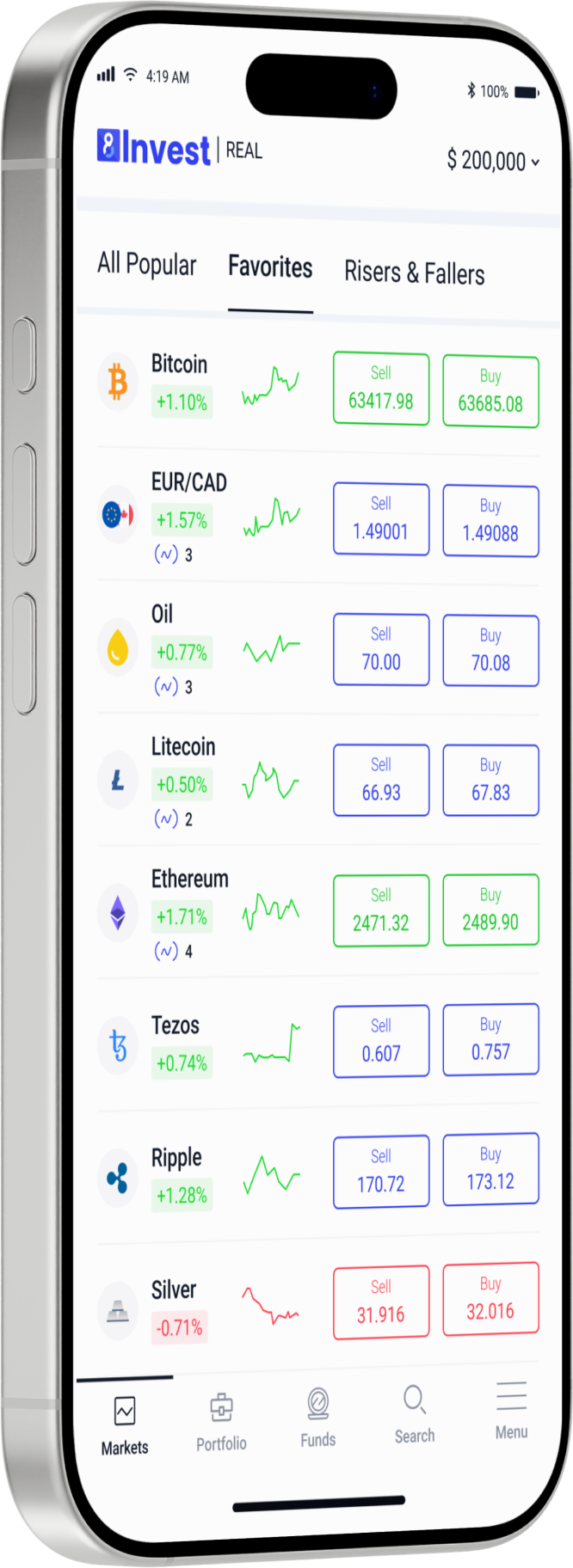
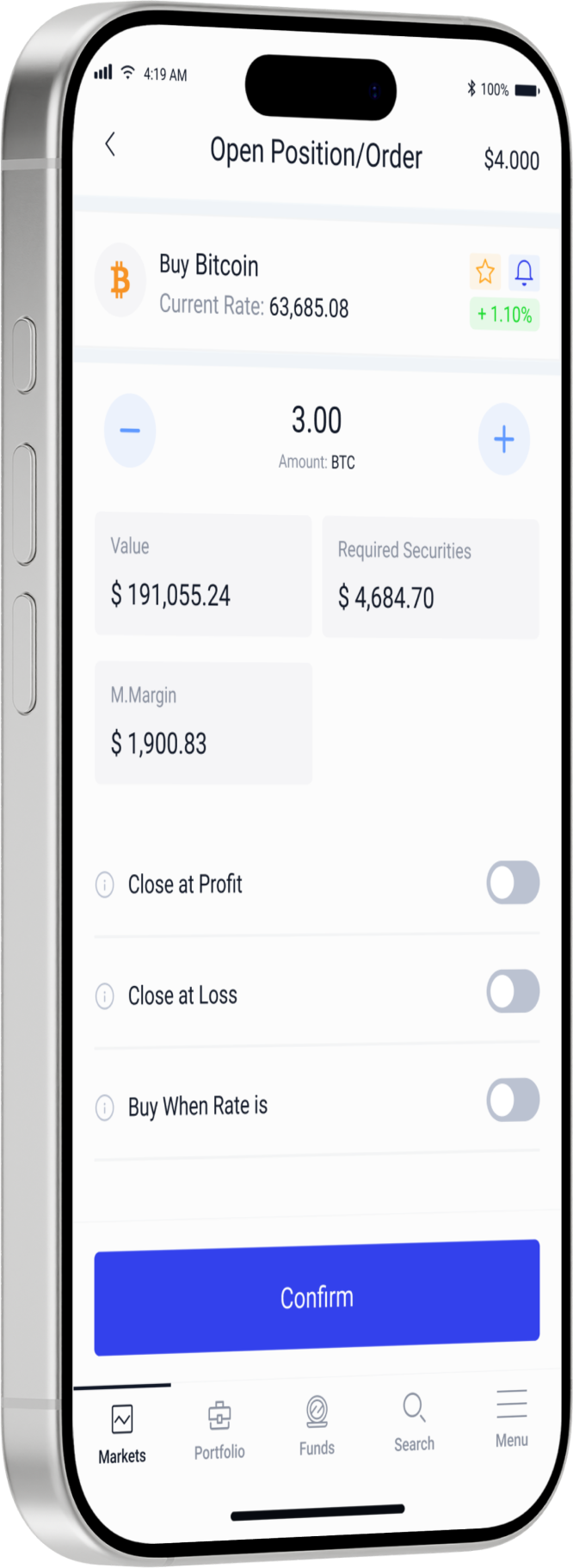
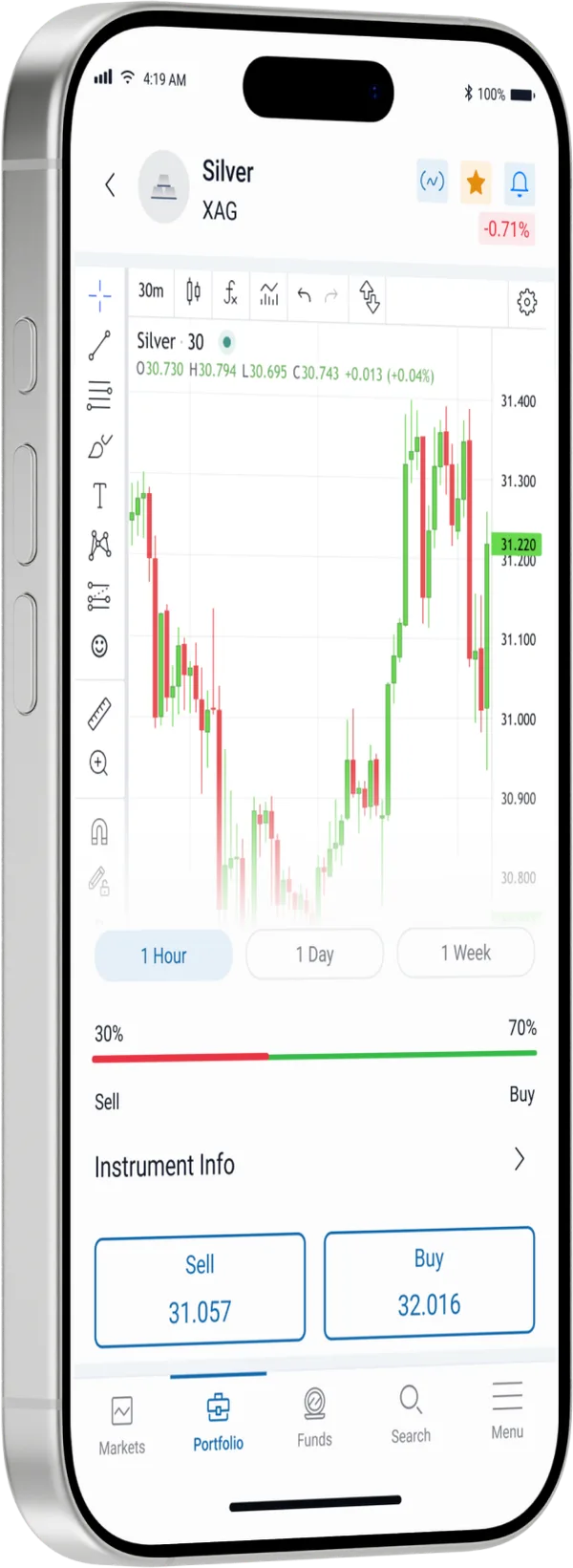
Someone comparing a forex trading app in South Africa may focus on prices, charts and access to open positions. Tax treatment depends on the local rules, not on the device used to place the trade.
Someone using a trading platform for South African traders may access different markets from the same account, but the tax treatment of any profit still depends on local rules.
XTrade gives traders access to forex trading through mobile and web based platforms.
Which records may be useful?
A trader may need information about closed positions, trading results, deposits and withdrawals when dealing with tax matters.
The exact records required depend on local rules. Some documents may also need to be kept for a specific period of time.
Keeping access to these records can make it easier to provide the information later if it is needed for tax reporting.
Tax rules can differ from one trader to another
Tax rules can change between countries and can also depend on the trader's own circumstances.
General information can explain the basic idea, but it cannot provide a personal tax answer.
A trader who needs to know whether a specific profit must be reported, which tax rate applies or which documents are required should check with the relevant tax authority or a qualified tax professional.
The same principle applies when choosing a South African online trading platform. The platform provides access to the market, while tax obligations are determined separately.
A forex app for South African traders can make account access more convenient, but it does not change the tax rules that apply to trading profits.
Trading profits can be taxable, but the final obligation depends on the rules that apply where the trader is taxed.